
UGV through the eyes of an operator: what works and what breaks in war
What Actually Works in War—and What Breaks Down.
A conversation with the platoon commander of the UGV unit at the 190th Training Center, call sign “Rally,” about operator training, combat deployment, and the challenges ground robots face on the front lines.
Why ground-based systems?
UGVs can handle a vast number of tasks that flying drones are physically incapable of performing:
- delivery of heavy and oversized cargo
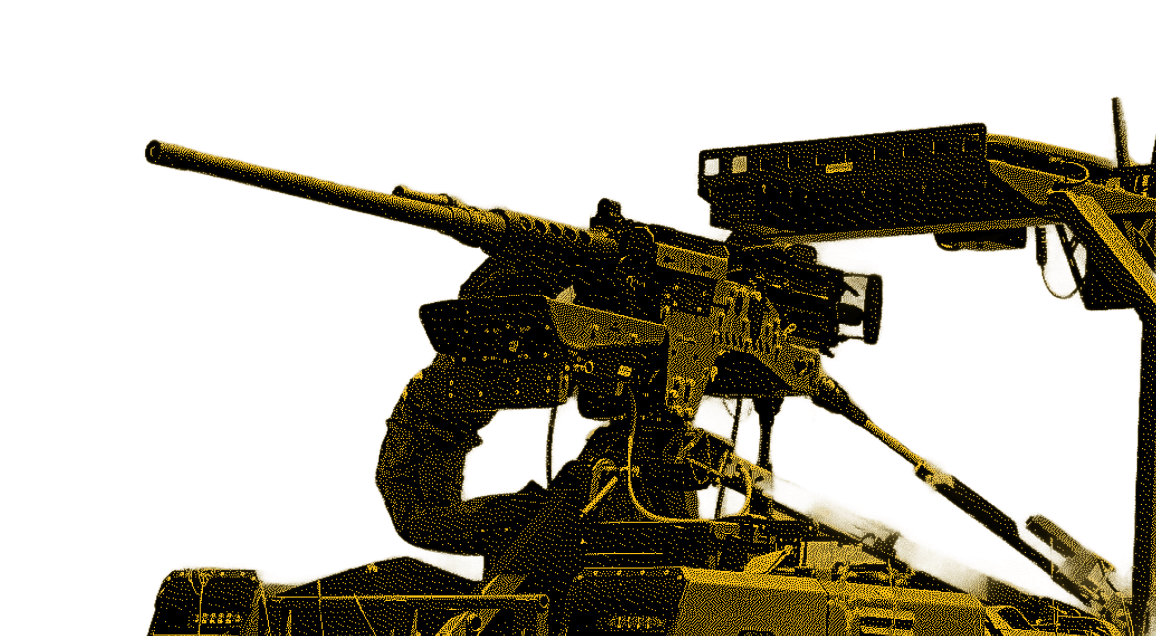
- fire support
- demining
- evacuation
- operations in areas where human presence poses too great a risk
In the past, these tasks were performed exclusively by humans. Now, robots are increasingly taking over. As this concept evolves, some of the personnel on the front lines will be replaced by technology—and this saves lives.
Real-world experience on the front lines
A significant number of military personnel have already completed training at the 190th Center’s UGV school. They are returning from the front lines with real-world feedback.
So far, UGVs are most widely used in logistics. Where a pickup truck with a crew used to be sent, a robot now goes.
Ground attack systems are currently being used on a limited basis, as the doctrine for their widespread use is still being developed. Logistical missions, however, are already a stable reality.
Losing a drone is cheaper than losing one or two people.
How to train a UGV operator
Basic course:
- Logistics training — approximately 28 days
- Machine gun or grenade launcher specialization — an additional 1 week
But controlling a robot is just the tip of the iceberg.
The operator must master:
- principles of radio wave propagation
- engineering training
- communications (separate 5-day course)
- working in emergency situations
The operator must be an expert in all aspects of the field.
Major technical issues
1. Lack of standardization
Each UGV has:
- their own batteries
- their own chargers
- their own interfaces
- their own communication channels
This creates chaos. Even minimal standardization of connectors would have a huge impact.
2. Connection
You’ll need:
- Starlink support
- Fast satellite connection capability
- Digital communication + analog backup
- Operates at low frequencies
UGVs always operate in a more complex radio environment than UAVs: trees, terrain, and obstacles
3. Control interface
This is one of the biggest challenges of training. One UGV uses a Steam controller. The second uses an Xbox controller. The third uses a tablet. When switching platforms, the operator gets confused about the buttons, commands, and combat modules.
What the interface should look like
For logistics:
- camera footage
- map
- voltage, speed, energy consumption
- picture-in-picture from multiple cameras
For combat modules:
- High-quality zoom
- Reticles
- Rangefinding solutions
- Fire correction without changing distance
Tips for Manufacturers
- address communication issues systematically
- incorporate thermal camouflage from the outset
- design for protection against FPV
- design for armor and modularity
- listen to real-world feedback from the battlefield
The main piece of advice is to listen to those who are fighting.
IN THE MEDIA